Skip to content

    STOAD / RESEARCH

    WHY THE
    HIP ANGLE?

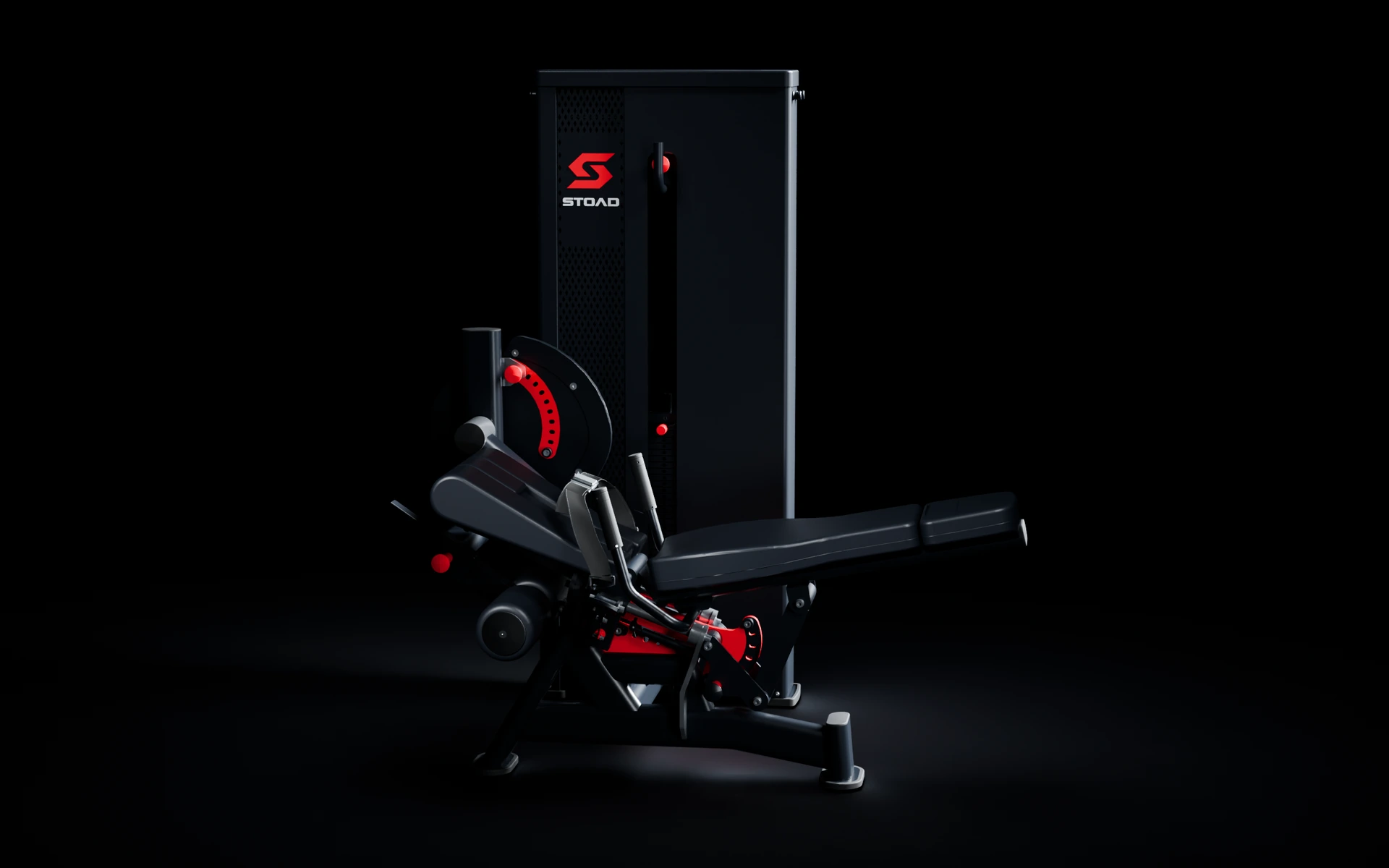
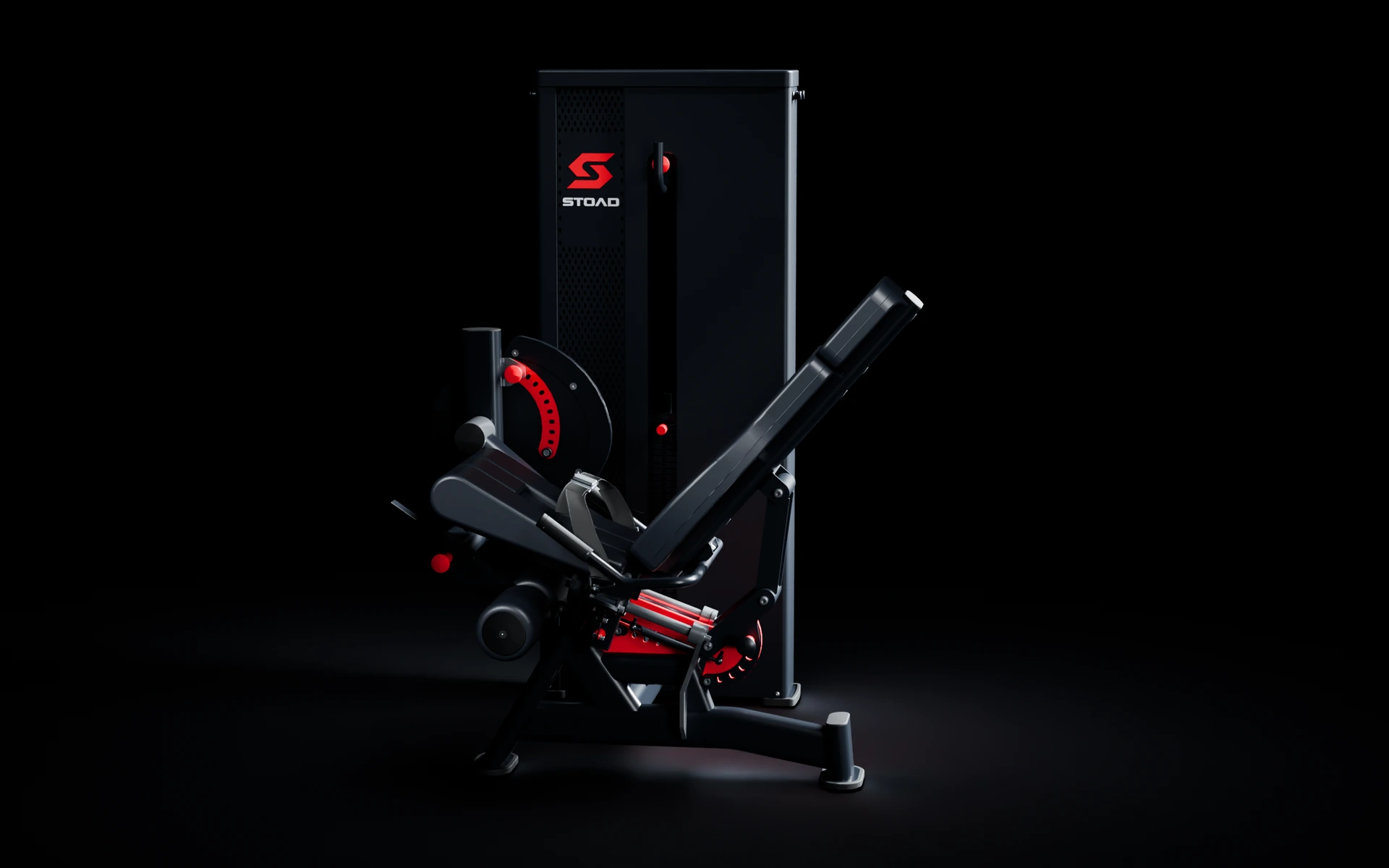
    See what changes as the backrest reclines. Then read what the research actually examined.

    STOAD 01 — Backrest: SeatedSeated

    Same camera and scale. Model positions, not the hip angles measured in the studies.

    STOAD 01 / PRODUCT VISUALISATION

    None of the studies below tested STOAD 01.

    RESEARCH GIVES US A DIRECTION TO EXPLORE.

    These studies examine how hip angle relates to rectus femoris responses during leg extensions. They measure different outcomes and cannot be combined into one effect measure.

    None of the studies tested STOAD 01. This is a source overview, not a systematic review or a product endorsement.

    THREE PRIMARY SOURCES

    01LARSEN ET AL.
    2025

    HIP ANGLE AND MUSCLE GROWTH

    22 untrained men · 10 weeks · 2 sessions a week

    Setup and measurement

    Leg extensions at 40° and 90° hip flexion. Muscle thickness was measured with ultrasound.

    THE FINDING

    Greater rectus femoris growth at 40°. No difference in vastus lateralis.

    THE LIMIT OF THE FINDING

    A specific group and two angles. This does not show that lying flat is better than 40°, and the study did not test STOAD 01.

    Read the original study on PubMed (new tab)
    02MITSUYA ET AL.
    2023

    MUSCLE RESPONSE AFTER ONE SESSION

    9 male bodybuilders · acute MRI study

    Setup and measurement

    Leg extensions at 0°, 40° and 80° hip flexion. MRI was performed before and after one session.

    THE FINDING

    Greater T2 changes in the proximal and middle rectus femoris at 0° and 40° than at 80°.

    THE LIMIT OF THE FINDING

    T2 is an acute MRI response. It does not establish long-term growth or show that STOAD 01 produces the same effect.

    Read the original study on PubMed (new tab)
    03MITSUYA ET AL.
    2025

    ANGLES, STIFFNESS AND ACTIVATION

    9 male bodybuilders · static positions

    Setup and measurement

    Three knee positions were examined at 0°, 40° and 80° hip flexion using elastography and EMG.

    THE FINDING

    At 30° knee flexion, proximal muscle stiffness was higher at 0° and 40° than at 80°.

    THE LIMIT OF THE FINDING

    No corresponding EMG difference. Stiffness is not muscle growth; this was not a long-term training study.

    Read the original study on PubMed (new tab)

    THE TERMS

    WHAT ARE THEY MEASURING?

    HIP FLEXION

    The angle between torso and thigh. It changes as the backrest reclines. The model’s backrest angle is not automatically the same measurement as in the studies.

    RECTUS FEMORIS

    One of the four quadriceps muscles. It crosses both the hip and knee joints.

    MRI / T2

    An image-based response that can change after activity. An acute T2 change is not a direct measure of future muscle growth.

    STIFFNESS / EMG

    Elastography estimates tissue stiffness. EMG records electrical muscle activity. Neither alone measures hypertrophy.

    STOAD 01 · FØRDE, NORWAY

    EXPLORE THE STARTING POSITION.

    See how the backrest moves independently of the seat pad’s angle in the model.

    Try the backrest adjustment